Effective SAM compliance for nonprofits requires proactive renewal strategies, starting 60 days before expiration. Organizations should regularly validate critical data fields including UEI, TIN, and banking information. Common pitfalls include inaccurate business names, outdated certifications, and incorrect intent selection. Implement quarterly verification checks, maintain single entity applications, and audit socio-economic status during renewals. Establishing calendar alerts and systematic review processes helps prevent funding disruptions and compliance issues. The following guide explores maintenance solutions that streamline federal funding eligibility.
Registration Renewal Strategies for Uninterrupted Federal Funding
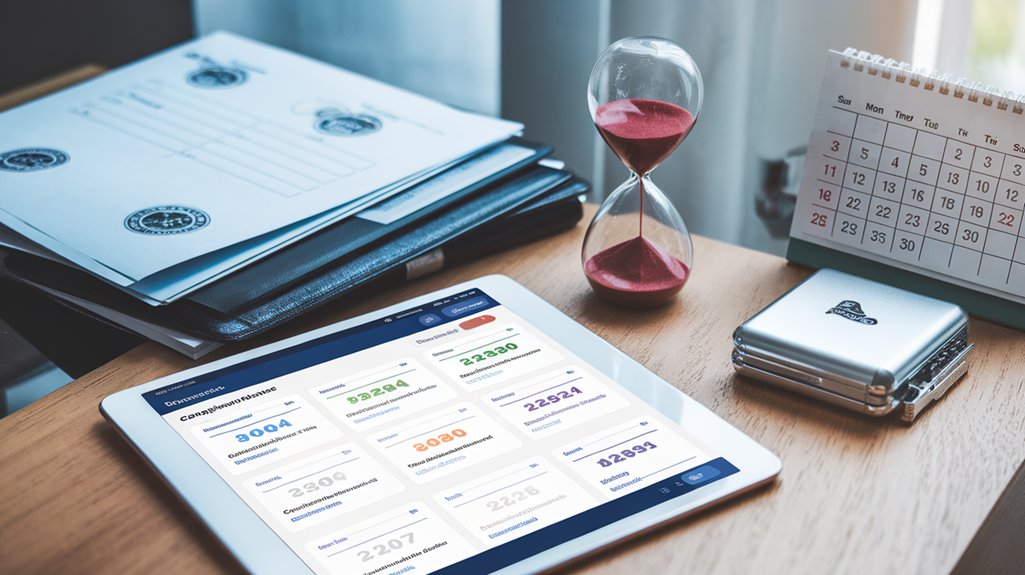
Every nonprofit organization seeking federal funding must maintain an active System for Award Management (SAM) registration to remain eligible for grants and contracts. The process requires annual renewal, with no associated registration fees for any organization type.
Federal funding eligibility demands active SAM registration for nonprofits, requiring annual renewal at no cost.
To guarantee compliance, nonprofits should implement systematic registration reminders at least 60 days before expiration dates. Effective renewal timelines begin with early preparation 30-60 days before the deadline. Organizations should:
- Verify all organizational information remains current
- Confirm Taxpayer Identification Numbers with the IRS
- Update entity details if any changes occurred
- Check that the Unique Entity ID (UEI) is properly recorded
For international nonprofits, a valid NCAGE Code must be maintained alongside SAM registration. Setting calendar alerts or automated notification systems helps prevent lapses in registration status, which could jeopardize funding eligibility and active federal contracts. Completing the renewal process early is essential since registration updates can take up to 10 business days to fully process in the system. Following a step-by-step guide ensures accuracy throughout the renewal procedure and helps avoid common pitfalls that could delay processing. Regular auditing of your nonprofit’s socio-economic status is crucial during the renewal process to ensure accurate self-certification.
SAM Data Management: Key Fields That Require Regular Attention

The complexity of SAM registration extends beyond annual renewals to include ongoing data management requirements. Nonprofit organizations must maintain vigilant oversight of several critical data fields to guarantee compliance with federal regulations.
Mandatory validation fields demand particular attention, as discrepancies between the UEI, TIN, or legal business name and IRS records can trigger compliance audits. Organizations should verify these elements quarterly to prevent registration lapses.
Financial data requires similar diligence, with ACH information and remittance emails needing regular validation to prevent payment disruptions. Nonprofits must update EFT indicators within 10 days of any banking changes per FAR requirements.
Entity hierarchy information presents another critical area for data accuracy. Organizations must promptly document parent/subsidiary relationships and structural changes resulting from mergers or acquisitions to maintain transparent federal reporting and avoid potential compliance issues.
Addressing these maintenance requirements helps mission-driven work continue without the administrative setbacks that often plague nonprofits seeking federal funding opportunities.
Navigating Compliance Challenges: Common SAM Registration Pitfalls

While nonprofit organizations endeavor for successful SAM registrations, numerous technical and procedural pitfalls can derail even the most diligent efforts. Registration accuracy often suffers when organizations submit inaccurate legal business names or incorrect entity information, leading to immediate rejections.
Documentation completeness remains a vital factor, as insufficient or outdated certifications frequently cause applications to stall. Nonprofits must verify their D-U-N-S numbers correctly and guarantee all affiliate information is properly disclosed to avoid compliance issues. Selecting the wrong intent during registration can significantly restrict a nonprofit’s access to federal contracts and financial opportunities. Following a step-by-step guide can help organizations navigate these complexities more efficiently.
Technical challenges compound these difficulties, including browser compatibility problems and system glitches that may delay the registration process. Communications regarding registration status may be filtered into spam folders, causing organizations to miss vital deadlines. SAM’s rigorous validation processes create additional hurdles as the system cross-references databases from the IRS and Dun & Bradstreet to verify organizational legitimacy.
To maintain compliance, nonprofits should:
- Verify all business information against official records
- Submit only one application per entity
- Thoroughly review eligibility criteria before submission
- Monitor email communications regularly
Frequently Asked Questions
How Does SAM Integration Affect Our Indirect Cost Rate Negotiations?
SAM registration directly impacts indirect cost rate negotiations with federal agencies. Organizations must maintain current financial information in SAM.gov to support their indirect cost strategies.
Outdated SAM profiles can delay approval processes and jeopardize negotiation tactics. The system verifies eligibility for federal funding and establishes organizational legitimacy when proposing rates.
Annual SAM renewal is essential, as expired registrations invalidate existing rate agreements and prevent new negotiations from proceeding with federal cognizant agencies.
Can We Register Multiple Nonprofit Programs Under One SAM Profile?
Multiple nonprofit programs cannot be registered under a single SAM profile independently. Each nonprofit entity must share one UEI number across all its programs.
The nonprofit structure determines registration requirements; separate programs under one organization use the same UEI.
However, each program requires distinct Grants.gov profiles for funding applications. Organizations should structure their program registration to reflect the accurate relationship between parent organizations and their subsidiary programs when completing SAM registration.
What Happens if Our Nonprofit’s Legal Structure Changes Mid-Registration?
If a nonprofit’s legal structure changes mid-registration in SAM, the organization must immediately pause the registration process and update all relevant information.
The nonprofit should log in to their SAM account, navigate to the entity management section, and input the new legal structure details.
Updated documentation, including tax identification numbers and legal name changes, must be submitted.
After verification, the registration process can continue with the correct information, preventing potential eligibility issues for federal funding.
Are International Nonprofit Partnerships Affected by SAM Registration Requirements?
International partnerships involving U.S. federal funding require SAM registration for all participating entities.
Foreign nonprofit partners must obtain DUNS numbers and NCAGE codes with perfectly aligned organizational information.
Registration requirements affect how partnerships structure financial transactions, as foreign accounts cannot receive direct federal payments.
Additionally, foreign ownership declarations may trigger heightened scrutiny, potentially affecting award decisions.
Partners should establish clear documentation protocols to maintain consistent legal information across all registration systems.
How Do State-Level Charity Registrations Interact With Federal SAM Compliance?
State-level charity registrations and federal SAM compliance operate as separate but parallel requirements for nonprofits.
State regulations focus primarily on fundraising activities and donor protection, while SAM registration enables access to federal grants and contracts.
Organizations must maintain compliance with both systems independently, as one does not satisfy the other.
Charity compliance at both levels requires different documentation, renewal timelines, and reporting standards.
Nonprofits should track each requirement’s distinct deadlines to remain fully compliant.